ADU Builder in Los Angeles & Altadena
PMK Development is a licensed general contractor, in business since 2015, that prices, permits, and builds accessory dwelling units across Los Angeles and the San Gabriel foothills.
Project inquiry · no obligation
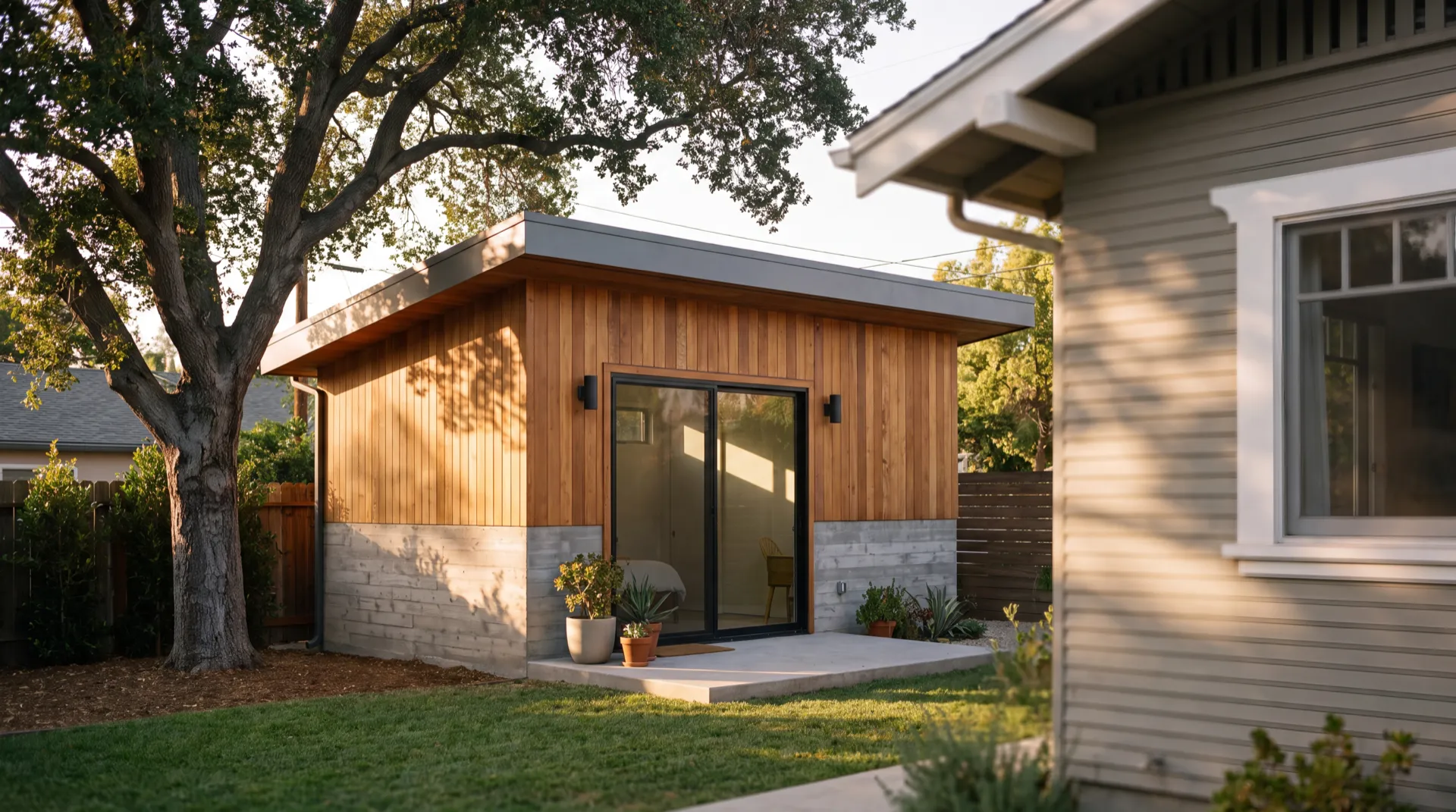
Architectural concept rendering, project photography coming
The firm holds California contractor's license CSLB #1008209 and works as one team from your architect's plans to final inspection, one licensed contractor pricing, permitting, and building the job, with no gap between the drawing and the crew that builds it.
Founded by Paul Kim and run today alongside his son Jonathan, the firm is local to the San Gabriel foothills and has completed more than 300 residential projects across greater Los Angeles and Orange County, from full home renovations to ground-up additions. An ADU is scoped, priced, and built the same way: one contract, one schedule, one team responsible for the entire job.
One of the few upgrades that pays you back.
An accessory dwelling unit adds a second, independent living space to a property you already own, and in Los Angeles County, where land is scarce and zoning has loosened, that space does real work.
Rental income
A detached or attached ADU can be leased as a long-term rental, giving owners a second income stream from the same lot. Some clients use the arrangement to help cover a mortgage; others treat it as a standalone investment.
Room for family
An ADU gives aging parents, adult children, or a caregiver their own door, kitchen, and bathroom, without everyone sharing the main house's footprint. It's one of the more common reasons homeowners build one.
Property value
Adding legal, permitted square footage and a second unit to a lot generally strengthens a property's resale position, particularly in neighborhoods where multigenerational living and rental flexibility are in demand.
Whatever the reason, the unit still has to be designed to code, permitted correctly, and built to last, which is where a licensed general contractor earns its fee.
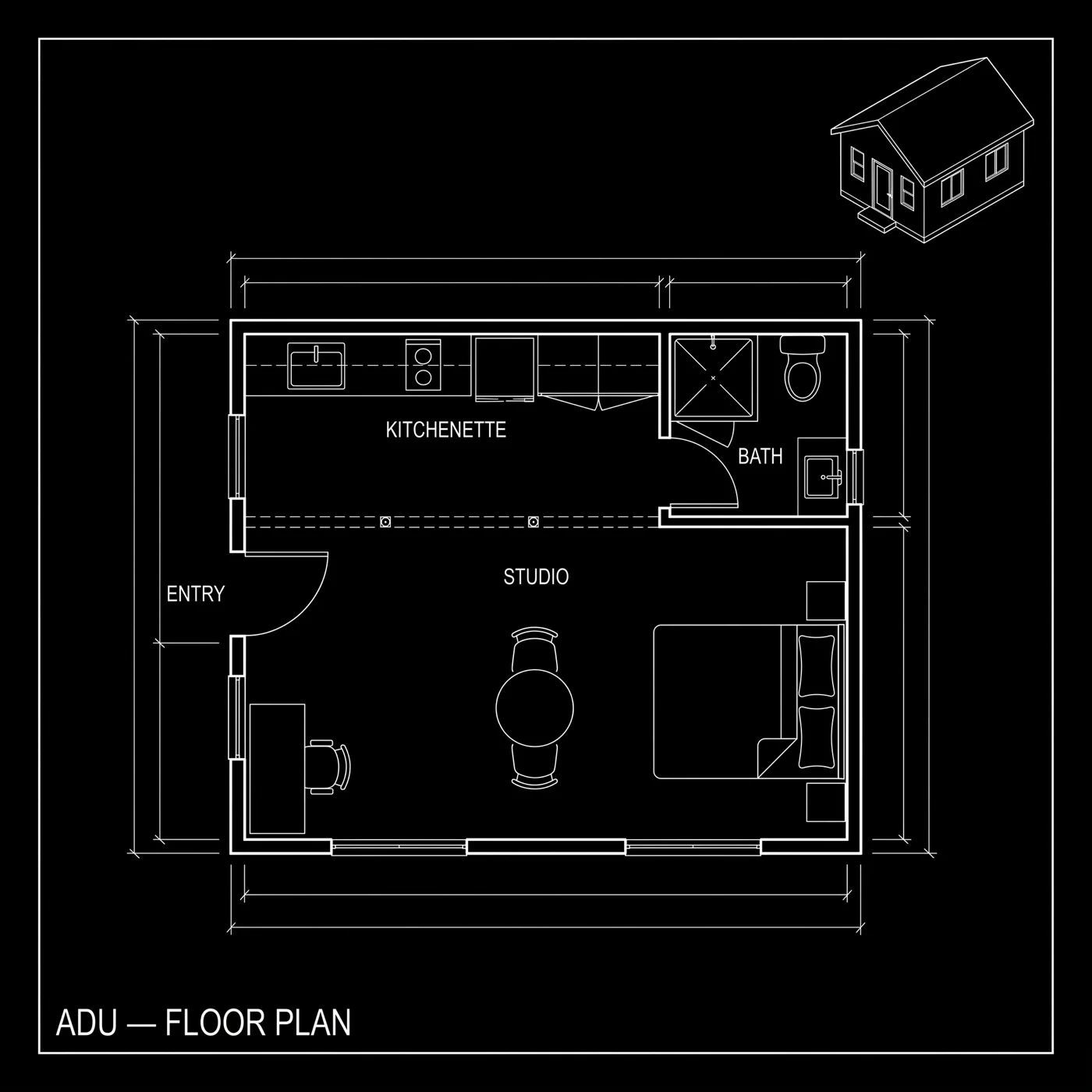
Not every lot supports the same type of ADU.
As an ADU contractor working lots across Los Angeles and Altadena, we build all four, here's how they differ.
Detached ADU
A freestanding structure built in the backyard or side yard, fully separate from the main house. Detached units give the most design flexibility and the clearest separation between the primary residence and the rental or family unit, but they also need new foundation, framing, and utility connections from the ground up.
Attached ADU
Built onto the existing house, sharing at least one wall. An attached ADU can sometimes reuse an existing foundation edge or utility stub-out, which can simplify the build compared to a fully detached structure, and it works well on narrower lots where a separate building won't fit.
Garage Conversion ADU
Converting an existing attached or detached garage into a livable unit is usually the fastest, most cost-efficient path to an ADU, since the structure, foundation, and roof are already in place.
See our garage conversion pageJunior ADU (JADU)
A smaller unit, up to 500 square feet under state law, built within the existing walls of the primary residence, often converting a bedroom or bonus room. JADUs can share sanitation with the main house and are generally the least expensive of the four to build, with their own occupancy rules we'll walk through at the consultation.
ADU Construction Cost
What actually drives ADU cost in Los Angeles.
Here is what ADUs actually cost in the Los Angeles market right now, and what moves a specific project inside those ranges. These are market ranges, not a PMK quote; the number for your lot comes from a free on-site consultation.
| ADU type | Typical all-in range | Per square foot |
|---|---|---|
Garage conversion ADU Reuses the existing structure, foundation, and roof. The garage's condition is the biggest variable. | $120K – $220K | $250 – $450 / sq ft |
Detached new-build ADU (500–800 sq ft) Starts from bare ground: new foundation, utility runs, and roof. Hillside and historic-zone lots run higher. | $240K – $400K+ | $300 – $550 / sq ft |
Attached ADUs and JADUs typically land below a comparable detached build, since they reuse part of the existing house. The full breakdown of what an all-in number includes lives in our ADU cost guide. Why the spread inside each range? These are the factors that move the number:
| Factor | Why it moves the price |
|---|---|
| Size (square footage) | More square footage means more foundation, framing, roofing, and finish material, cost scales with the unit's footprint, not just its floor plan complexity. |
| Detached vs. attached vs. conversion | A detached ADU starts from bare ground: new foundation, new utility runs, new roof. A garage conversion reuses an existing structure and can skip several of those line items entirely. |
| Site & utility conditions | Sewer lateral capacity, electrical panel size, slope, and equipment access all affect scope before a wall goes up. Tight or sloped lots often need retaining work or an engineered foundation. |
| Finish level | Stock fixtures and finishes cost less than custom cabinetry, tile, and higher-end appliances, the same square footage can land in different cost tiers depending on selections. |
| Permits & jurisdiction fees | La Cañada Flintridge, the City of Los Angeles, and L.A. County each charge their own plan-check and permit fees, and requirements vary by lot. |
On the consultation, we scope every ADU into one of four bands, based on the factors above:
Finish-level scope
Smaller-scope work, finish upgrades to an existing structure rather than a full ADU build.
Conversion scope
Garage conversions and smaller JADUs, reusing an existing structure.
Full ADU scope
Detached and attached ADUs, sized and finished to the drawings.
Complex scope
Larger detached units, difficult sites, or high-end finish packages.
The market ranges above are a starting point, not your number. The lot decides too much of the scope: sewer capacity, slope, and utility runs change the figure before a wall ever goes up. On the free on-site consultation we walk the property, look at what the lot and structure allow, and give you a scope and number you can hold us to.
No obligation, just a scope and number for your lot.
Financing
How Los Angeles homeowners pay for an ADU.
Most ADU projects here are funded with home equity rather than cash. We're builders, not lenders, so we don't arrange financing or recommend products, but knowing the common routes helps you walk into your lender's office with a real plan.
HELOC / home-equity loan
Borrows against the equity in your current home. The most common way L.A. homeowners fund a garage conversion or mid-size ADU.
Cash-out refinance
Replaces your existing mortgage with a larger one and frees the difference for construction. Makes the most sense when rates work in your favor.
Renovation & construction loans
Products that lend against the home's value after the ADU is built, not just its value today. Useful when current equity alone won't cover the build.
CalHFA ADU grant: paused
California's $40,000 ADU grant allocated its last round in December 2023 and is not taking applications. Be wary of anyone claiming they can still get it.
Read the status guideTalk to your lender or financial advisor about what fits your situation. What we bring to that conversation: a fixed scope and a real construction number from the on-site consultation, the two things every lender asks for first. Full walkthrough in our ADU financing guide.
Process
Five stages. One team. From feasibility to final inspection.
One team carries your ADU from plan check through the final walkthrough, the same crew pricing the job is the crew building it.
- 01
Site Evaluation & Feasibility
We walk the lot, check zoning, setbacks, sewer and electrical capacity, and any existing structures, and tell you plainly what the property can support, before you spend a dollar on drawings.
- 02
Plans & Engineering
We price your architect's drawings, coordinate structural engineering, and confirm Title 24 energy compliance, the same team that permits the plan builds it, so the plan you approve is the plan that gets built.
- 03
Permit Submittal
We prepare the ADU application and carry it through plan check - the L.A. Department of Building and Safety, L.A. County, or La Cañada Flintridge's own planning and design review, depending on the property. You don't chase the counter.
- 04
Construction
Scheduled crews, a named project manager, weekly updates, and a job site kept clean enough to live next to during the build.
- 05
Final Inspection & Occupancy
We close the punch list, walk the unit with you, and carry it through final inspection to a signed-off certificate of occupancy, and we still answer the phone years later.
Permitting in LA & the Foothills
Permitting an ADU depends on where the lot sits.
La Cañada Flintridge runs its own planning and design review with its own submittal process. Properties inside the City of Los Angeles go through the L.A. Department of Building and Safety; unincorporated communities like Altadena and La Crescenta-Montrose fall under Los Angeles County. Each jurisdiction runs its own fee schedule and plan-check timeline on top of state law, and we prepare and track the application for whichever one applies to your property.
California's state ADU law (Government Code Section 65852.2) generally requires cities and counties to review complete ADU applications ministerially, without a discretionary hearing, and has relaxed several rules that used to make ADUs harder to build, including minimum lot size and, in many cases, off-street parking replacement. Local jurisdictions can still apply their own building and fire code requirements, height, and setback rules on top of that framework, which is why the same plan can move through La Cañada Flintridge and the City of Los Angeles differently.
This is general information, not legal advice. Every lot and jurisdiction has its own specifics, and we confirm the exact requirements for your property with the local planning department before we submit.
How homeowners pay for an ADU.
Most homeowners financing an ADU aren't paying in cash. A home equity line of credit, a renovation or construction loan, or a cash-out refinance are the paths that come up most often, and several state and local programs exist specifically to help homeowners finance an ADU.
We're a construction company, not a lender. We don't broker financing or recommend a specific product, but we can talk through the general options during your consultation and coordinate with your lender's draw schedule and inspection requirements once the project is underway. If a kitchen refresh or whole-home update in the main house is part of the same plan, see our home remodeling services.
★ 5.0 on Google
“The father-son team—particularly the son, Jonathan… was knowledgeable, responsive, and took the time to explain details clearly without any pressure.”
The same team and standard behind every build.
Every project on this site, additions, renovations, and custom builds, runs through the same construction process and the same crews that build our ADUs.
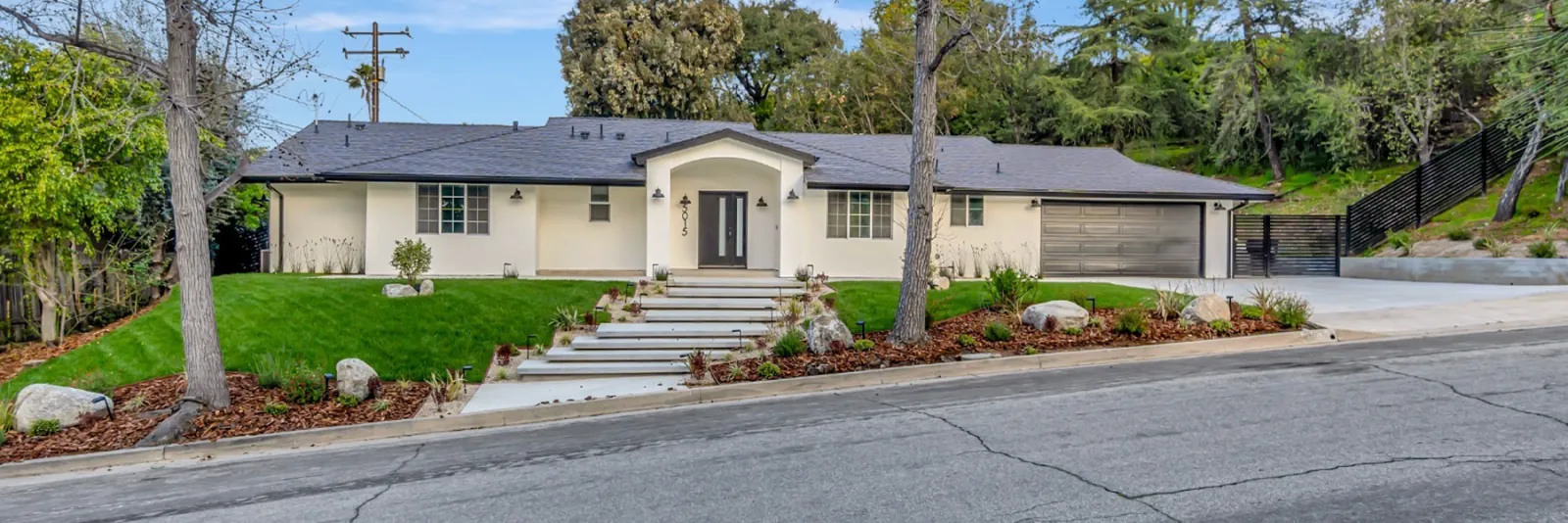
Addition & Renovation - La Cañada Flintridge
A 927 sq ft addition plus a full interior renovation, brought in under one construction contract.
View Project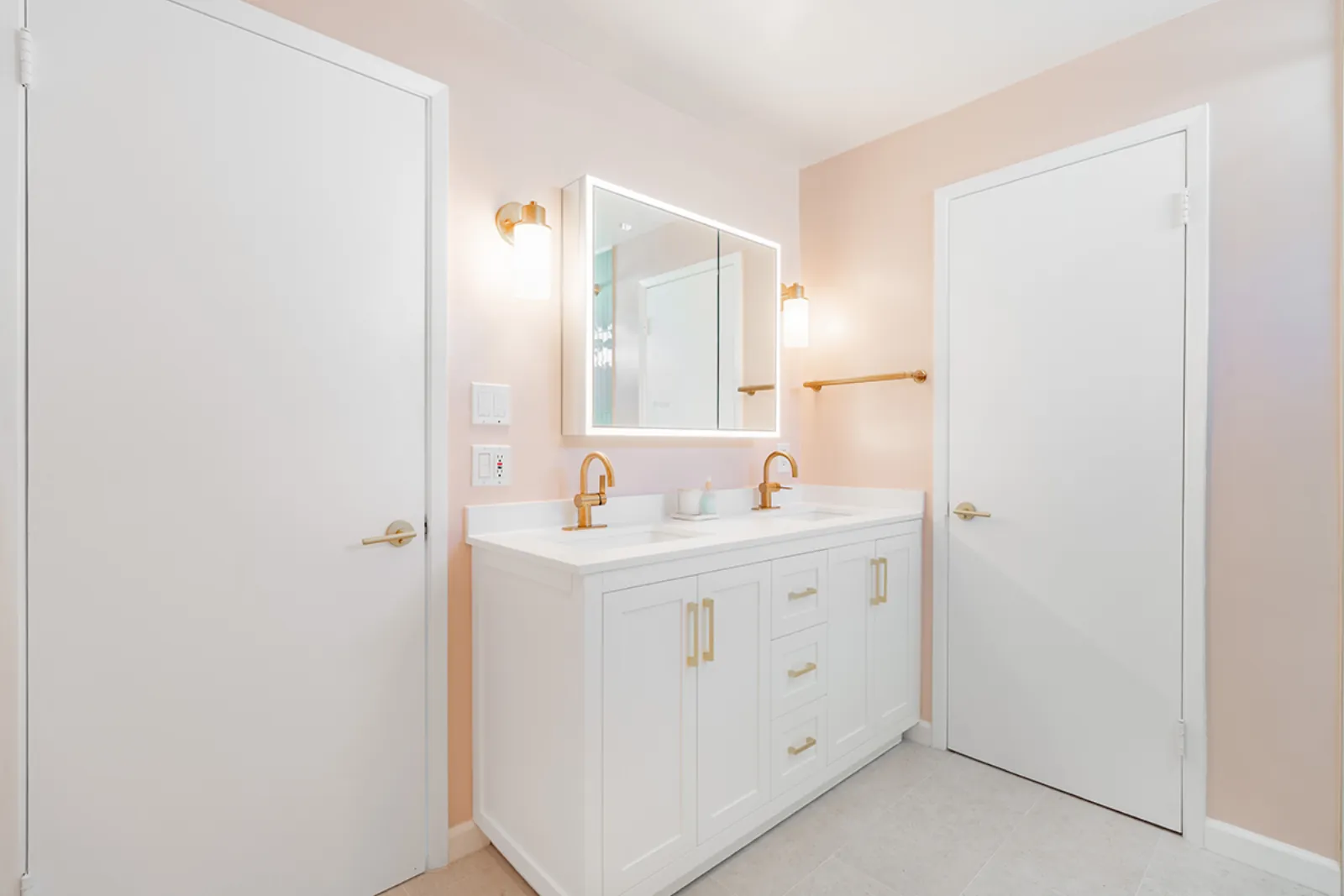
Bathroom Finish Work - Burbank
High-end custom-build renovation work, finished and documented start to finish.
View Project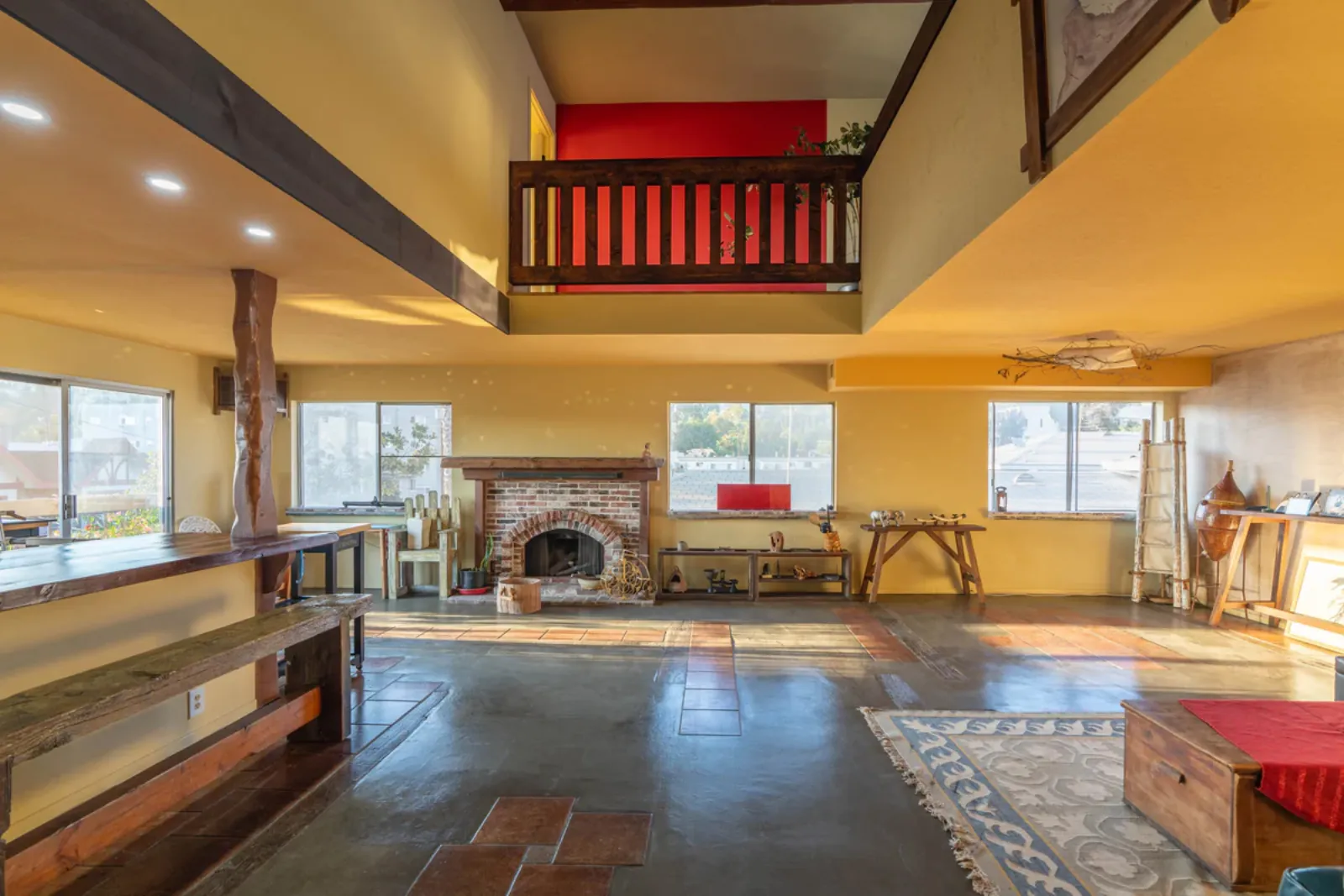
Home Remodeling - Los Angeles
An interior remodel that kept the home's exposed beams and brick fireplace while updating flow and finishes.
View ProjectFAQ
ADU questions we hear most.
Do I need a permit to build an ADU in Los Angeles or Altadena?
Yes, every ADU, including garage conversions and JADUs, requires a building permit from the jurisdiction the property sits in (the City of Los Angeles, L.A. County, or La Cañada Flintridge). We prepare the application and carry it through plan check as part of the project.
Can I rent out my ADU?
In most cases, yes, state law generally allows ADUs to be rented separately from the main house, though some cities restrict short-term rentals and HOA or deed restrictions can add limits. Confirm your specific situation with the local planning department or your HOA before you count on rental income.
What's the difference between a garage conversion and a detached ADU?
A garage conversion reuses an existing structure's foundation, framing, and roof, which usually makes it faster and less expensive than building a detached unit from bare ground. See our garage conversion page for the process and typical scope.
Do I have to live on the property to build an ADU?
For a standard ADU, no, current state law doesn't require owner-occupancy. A Junior ADU (JADU) has its own occupancy rules since it shares space with the main house. We'll walk through what applies to your specific project at the consultation.
How long does it take to permit and build an ADU?
Every project is scheduled off its own drawings, but as a general range: finalizing plans and engineering typically run a few weeks to a couple of months, permitting adds more time depending on the jurisdiction, and construction on a detached ADU commonly runs several months once permits are in hand. We give you a real schedule once we've scoped the lot.
What does an ADU cost?
In the current Los Angeles market, garage conversions typically run $120K to $220K all-in, and detached new-build ADUs around $240K to $400K or more depending on size, site, and finishes. Those are market ranges, not a quote. Where your project lands depends on the lot, which is why the free on-site consultation is where you get a number specific to your property.
Is the $40,000 California ADU grant still available?
Not currently. CalHFA's ADU Grant Program allocated its most recent round of funding in December 2023 and is not accepting new applications; no relaunch has been announced. Be cautious of anyone who claims they can still secure the grant. If the program reopens, the funds have historically covered pre-development costs like design, permits, and fees. See our CalHFA grant status guide for the details and current alternatives.
How do homeowners pay for an ADU?
Most ADU projects in Los Angeles are financed with home equity: a HELOC, a home-equity loan, or a cash-out refinance. Renovation and construction loans that lend against the finished value are also common. We're builders, not lenders, so we don't arrange financing, but we scope and phase projects so the construction contract fits what your lender approves.