
Residential construction is more than assembling materials—it is a coordinated process that brings together planning, design, engineering, and skilled execution. A well-built home begins long before construction starts, with careful evaluation of layout, structural requirements, and long-term functionality.
At PMK Development, Inc., residential construction projects are approached with a focus on clarity, consistency, and adherence to approved plans. Every phase of construction is managed to support safe, functional, and durable living environments.
The Importance of Proper Planning in Residential Construction
Successful residential projects rely heavily on early-stage planning. This includes evaluating site conditions, reviewing architectural drawings, coordinating with engineers, and understanding local building requirements. Clear planning helps reduce delays, supports accurate material selection, and ensures structural components align with the overall design.
Proper planning also allows homeowners to better understand timelines, construction phases, and how different systems—such as framing, electrical, and plumbing—work together within the home.
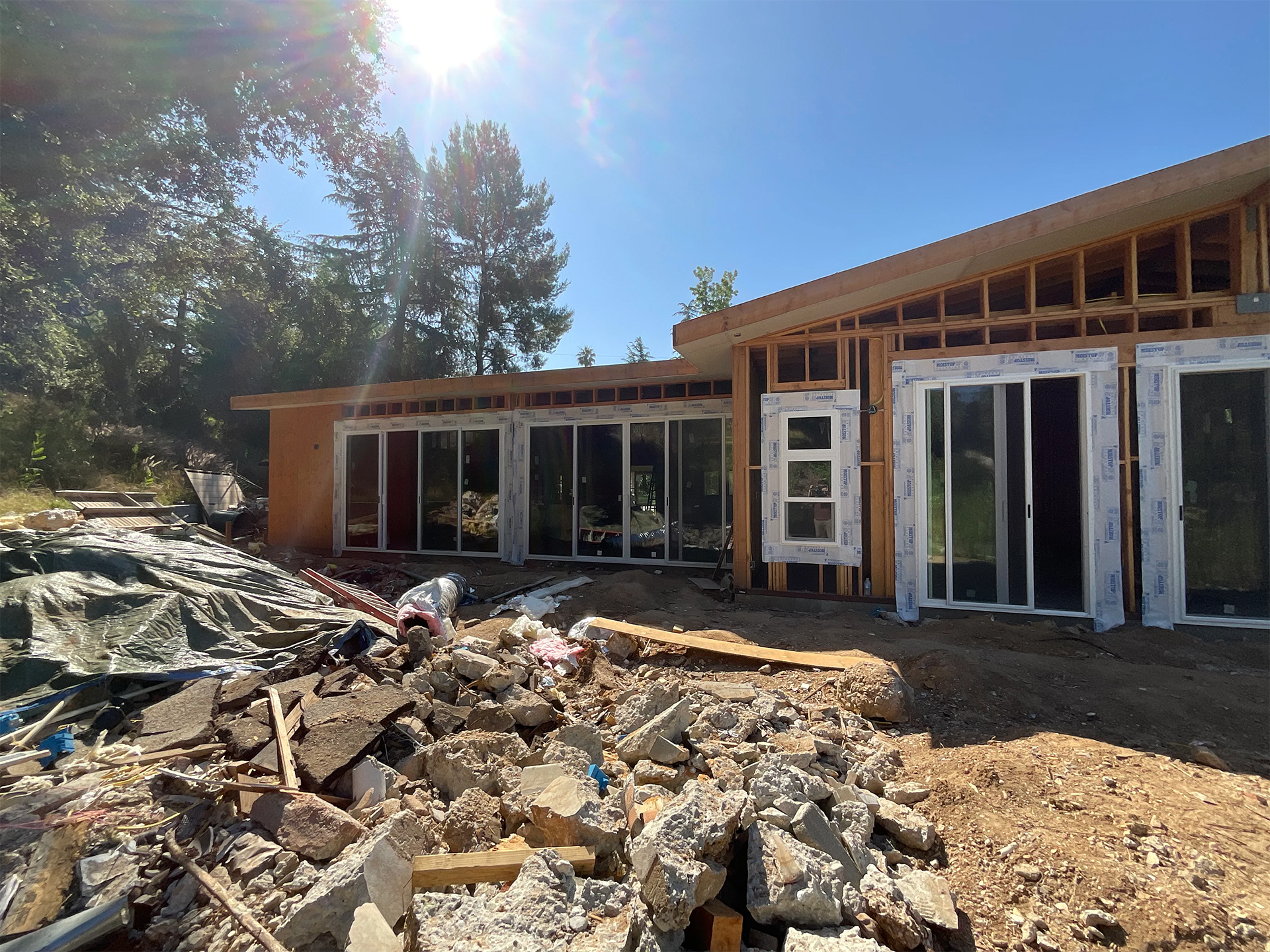
Structural Integrity and Material Selection
Residential construction requires careful consideration of materials and building methods. Structural elements must be selected and installed to support long-term use, safety, and code compliance. From framing systems to foundational components, each element plays a role in the stability of the home.
Material selection is based on performance, suitability for the environment, and compatibility with the overall structure. Thoughtful coordination between materials and construction techniques contributes to consistency and longevity.
Coordination Throughout the Construction Process
Residential construction involves multiple stages and teams working together. Clear coordination between designers, subcontractors, and construction management helps ensure that each phase progresses efficiently and aligns with approved specifications.
Ongoing communication and oversight support smoother transitions between phases and help maintain consistency from start to finish.
Building for Everyday Living
A residential structure must support daily life while remaining adaptable over time. Layouts, circulation paths, and spatial relationships are considered during construction to ensure spaces function as intended once occupied.
The goal of residential construction is to create homes that are practical, structurally sound, and built in accordance with established standards—providing a reliable foundation for long-term use.