
Residential construction is a multi-stage process that requires coordination, planning, and adherence to established building standards. From initial site preparation to final structural completion, each phase plays a critical role in creating a functional and well-built home.
At PMK Development, Inc., residential construction projects are managed with a structured approach that emphasizes clarity, sequencing, and coordination across all stages of the build.
Pre-Construction Planning and Site Preparation
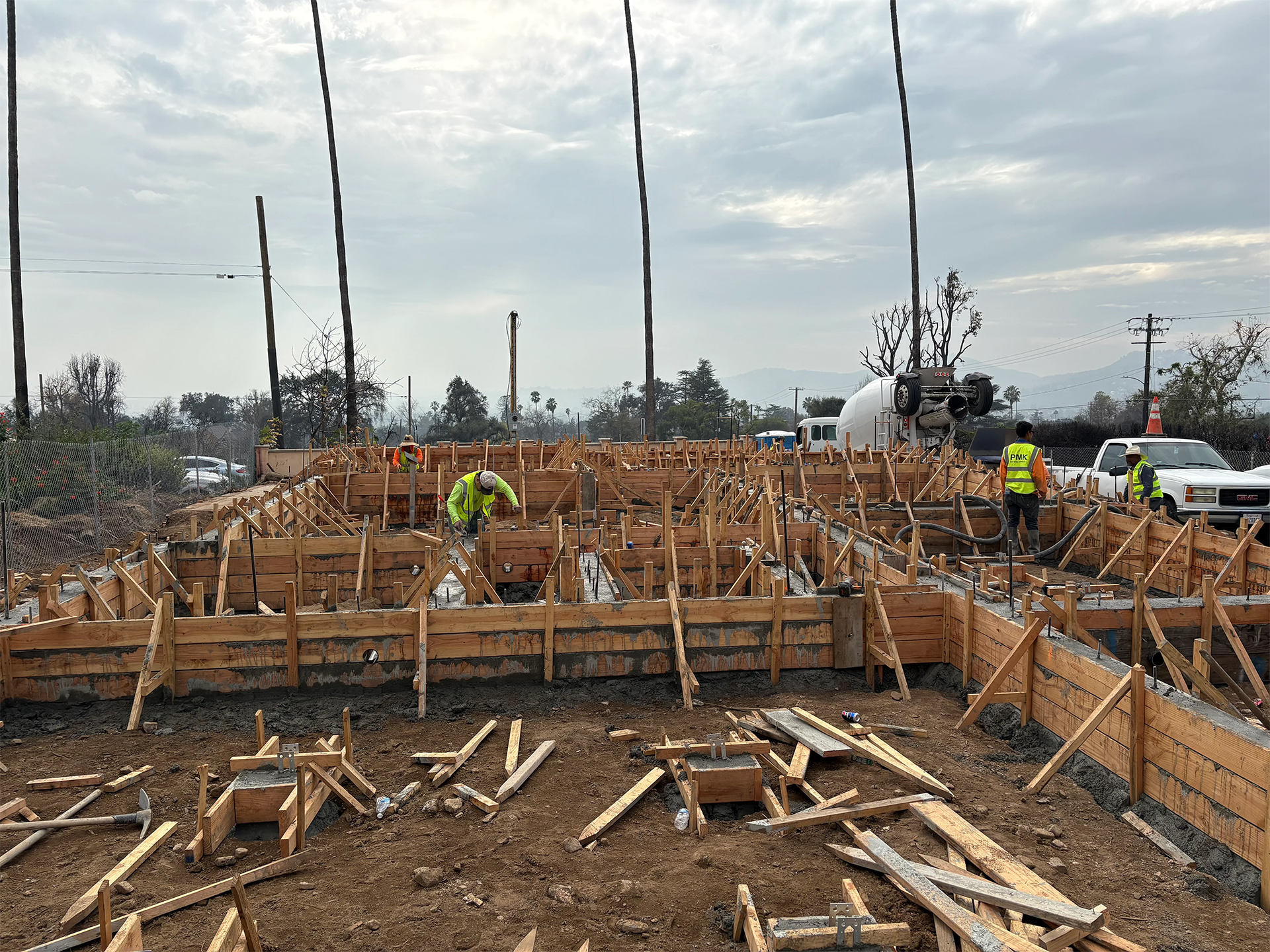
The residential construction process begins with pre-construction planning. This stage includes reviewing architectural drawings, assessing site conditions, and coordinating with engineers and local requirements. Proper site preparation ensures that grading, access, and foundational elements are aligned with the approved plans before construction begins.
Clear planning during this phase helps establish realistic timelines and supports efficient execution throughout the project.
Framing and Structural Development
Once the site is prepared, framing establishes the structure of the home. This phase defines room layouts, load-bearing components, and overall building form. Structural accuracy during framing is essential, as it directly affects the performance of later systems such as roofing, insulation, and interior finishes.
All structural work must align with project specifications and applicable residential building standards.
Systems Integration and Construction Coordination
After framing, residential construction progresses into systems integration. This includes electrical, plumbing, HVAC, and other essential components. Coordinating these systems requires careful scheduling and communication to ensure proper placement and functionality within the structure.
Attention during this stage supports efficiency, accessibility, and long-term performance of the home’s systems.
Interior Build-Out and Final Construction Phases
Interior construction focuses on completing walls, ceilings, flooring, and fixed elements such as cabinetry and built-ins. Material installation follows approved plans and selected specifications to maintain consistency throughout the home.
Final construction phases include inspections, adjustments, and completion tasks required to meet residential building requirements before occupancy.
A Structured Approach to Residential Building
A well-managed residential construction process prioritizes organization, clear communication, and adherence to approved plans. Each phase builds upon the previous one, creating a cohesive structure designed to support everyday living.
Residential construction, when executed with care and coordination, results in homes that are functional, structurally sound, and built for long-term use.